Small Bathroom Ideas: Smart, Space-Saving Designs
By
Sophia
Published
January 19, 2026
Read Time
4 min read
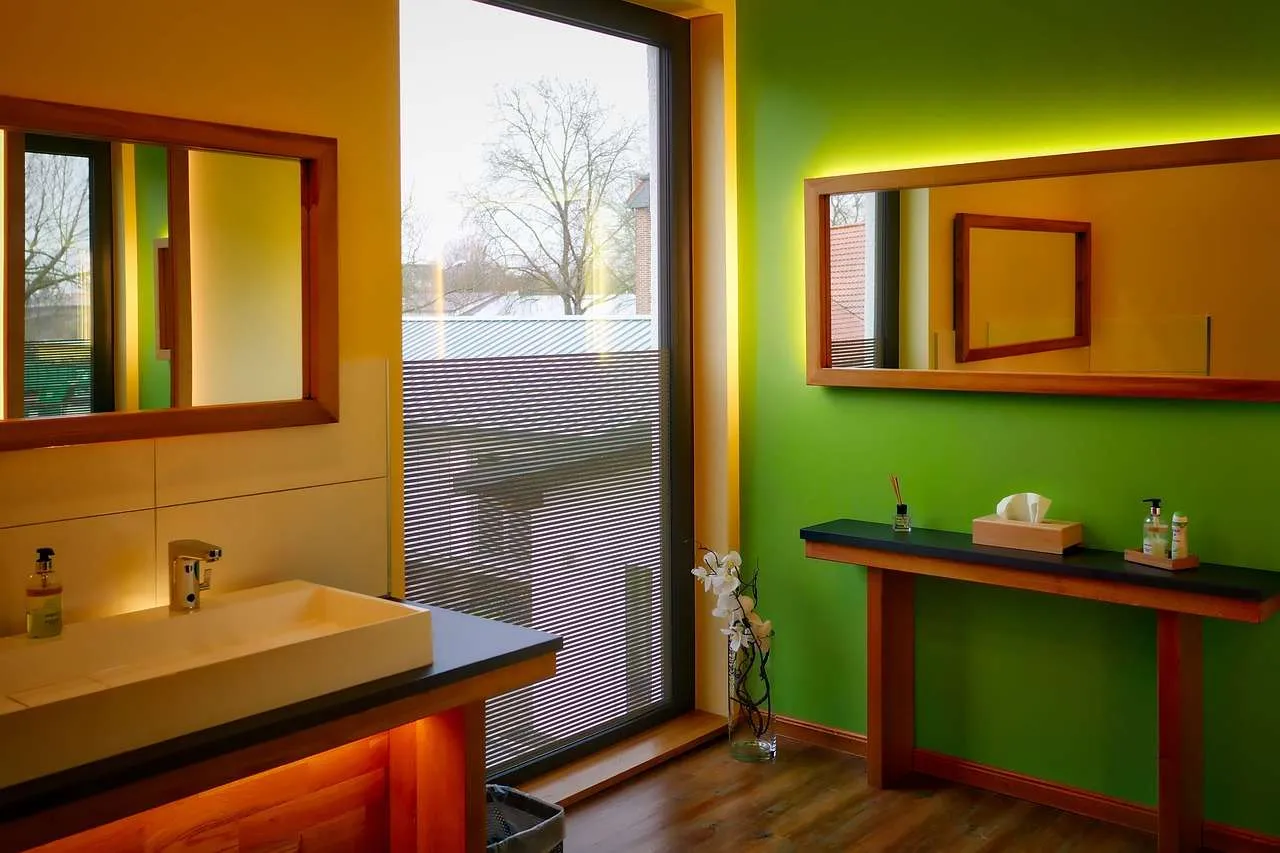
Small bathrooms pose design challenges but also opportunities to create stylish, functional spaces. With the right strategy, you can maximize every inch without sacrificing comfort. This guide, informed by expert design practices and current trends, helps homeowners and renovators craft smarter layouts, efficient storage, and inviting lighting.
Core Principles for Small Bathroom Design
Start with layout efficiency, then layer in storage, light, and materials that reflect and expand the space. Using scalable elements and premium fixtures can yield a bathroom that feels larger than it is, while remaining practical and durable.
Layout first: Plan for flow
In a tight bathroom, the flow matters more than size. Favor linear layouts, walk-through access, and clear zones for toilet, sink, and shower. Consider a pocket door to reclaim wall space and a corner shower to avoid the swing radius of a traditional tub or shower enclosure.
Storage and surfaces
Wall-mounted vanities, recessed shelving, and medicine cabinets free up floor space. Use niches in the shower for toiletries and install tall, slim storage towers if wall space allows. Choose vanity units with drawers to keep clutter out of sight, and select mirrors with built-in lighting to eliminate extra fixtures.
Dream Materials: Light, Reflective, Durable
Opt for pale, reflective surfaces like ceramic tile, large-format porcelain, and glass to bounce light. A water-resistant quartz or solid-surface countertop stands up to moisture and is easy to clean. Avoid overly busy patterns that can overwhelm a small room. Instead, use subtle textures and consistent grout lines for a cohesive look.
Fixtures and Finishes That Save Space
Space-saving fixtures are essential. Wall-hung toilets and vanities create a sense of openness. Frameless glass shower enclosures visually expand the room, while curved shower doors can reduce collision risk and improve movement. Consider a rainfall or adjustable showerhead mounted at a comfortable height to enhance comfort without adding bulk.
Lighting and Color to Make It Feel Bigger
Layered lighting—ambient, task, and accent—makes a small bathroom feel airy. Recessed LEDs, wall sconces above the vanity, and a bright, white color temperature (around 3500-4000K) mimic daylight. Keep color schemes light and cohesive; use accent colors sparingly and intentionally through towels and accessories to avoid visual clutter.
Budget-Friendly Upgrades and Quick Wins
Small changes can yield big results. Fresh caulking and grout refresh the bathroom's appearance. A new vanity mirror with integrated lighting can replace multiple fixtures. If plumbing allows, swap the sink for a wall-mounted basin and transition to a compact, wall-hung toilet. These upgrades often offer the best return on investment in a small space.
Space-Saving Options: Quick Comparison
Below is a quick comparison of popular space-saving components for small bathrooms to help you choose the best fit for your layout and budget.
| Fixture/Option | Pros | Cons | Best For |
|---|---|---|---|
| Wall-mounted sink | Free up floor space, easy cleaning under | Higher install cost, wall support needed | Tiny layouts, modern look |
| Wall-hung toilet | Apparent roominess, easy cleaning | Requires sturdy wall frame, potentially higher cost | Small baths with moisture management |
| Frameless glass shower | Looks spacious, minimalist | Higher maintenance to keep clean | Open feel, corner installs |
| Niche shelving | Hidden storage, reduces clutter | Requires precise tiling | Shower area storage |
| Pocket door | No door swing, maximizes opening | Complex install, repair may be needed | Very narrow footprints |
In choosing options, weigh installation practicality, moisture exposure, and long-term maintenance. A well-considered mix—such as a wall-mounted sink paired with a compact toilet and a frameless shower—often yields the cleanest, most functional result.
Real-World Implementation: Example Approach
For a 5-by-7-foot bathroom, a practical plan might include a pocket door to preserve wall space, a wall-hung vanity with a generous mirror, a 32-inch x 60-inch shower with frameless doors, and recessed niches for bottles. A light color palette with porcelain floor tiles that extend into the shower creates continuity and reduces visual breaks, while a high-CRI LED fixture near the mirror ensures accurate color rendering for grooming tasks.
With careful selection of materials and hardware, a small bathroom can feel larger, more organized, and easier to maintain. The key is to design around flow, priority storage, and light, then add personality with color accents and durable finishes.
Conclusion, by prioritizing efficiency, quality fixtures, and layered lighting, you can transform a compact space into a welcoming retreat that feels twice its size.